
Surviving the First Semester of High School Sports
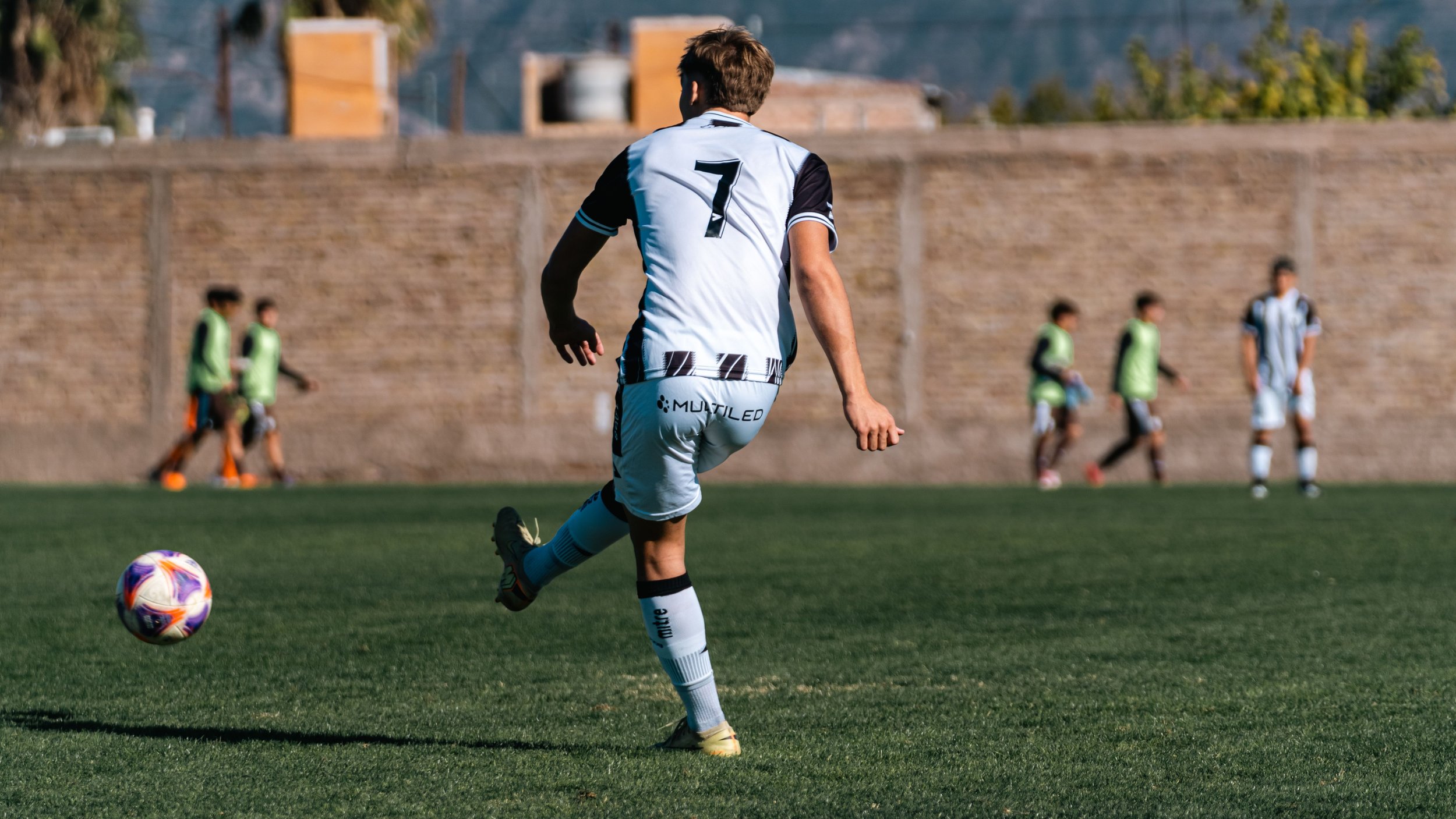
Homework. Practice. Dinner. Repeat.
Start the season on the right foot without micromanaging.
It's 6:45 a.m., and your freshman is hunting for one cleat. School runs until 2:50, practice until 5:30, and by the time dinner hits the table, it's nearly 7. Then comes the homework, the group chat that won't stop buzzing, and a body that is tired in a way middle school never prepared it for.
If that sounds familiar, you're not imagining it. The start of high school is one of the most demanding stretches in a young athlete's life, and most of us don't talk about it enough.
Why it's so hard right now
Freshman year stacks three big changes at once. The school is bigger, the classes are harder, and the athletic commitment is a step up. Practices are longer and often start later at night. Coaches expect more. And for those competing at an elite level, the pressure to perform can add emotional stress.
And then there’s the social piece: new friends, new pecking orders, and a phone that delivers all of it in real time. Teens aren't lazy or unfocused. They're being pulled in a dozen directions by things designed to hold their attention, and their brains are still building the skills to manage it.
So while the American Academy of Pediatrics and the American Academy of Sleep Medicine recommend teenagers get 8 to 10 hours of sleep every night, a recent study shows more than half of American teens lose an hour each night to their phones.
Sports parents, are you feeling it? Deep breaths.

The phone isn't the enemy (but it's a strong opponent)
Blaming screens rarely works. A few realistic guardrails do better:
Homework first, scroll second. Not forever, just until the work is done.
A charging spot outside the bedroom. Sleep is a performance tool, and late-night scrolling quietly eats it.
Notifications off during study blocks. One buzz can cost 15 minutes of focus.
The goal isn't a screen-free teen. It's a teen who decides when the phone gets their attention, rather than the other way around.
Five small habits that make a big difference
1. Plan the week on Sunday. Ten minutes to see what's coming (games, tests, early dismissals) turns Thursday's panic into Sunday's plan.
2. Pack the bag the night before. Cleats, water bottle, charger, permission slip. Trade morning chaos for measured calm.
3. Think about fuel. A student-athlete who skips lunch and grabs chips after practice is running on empty. Planning meals and snacks means they're eating to perform, not just to survive.
4. Protect sleep. Nothing else on this list works as well without it. Growing athletes need more than most schedules allow, so guard it.
5. Pick a weekly mantra. It sounds small, but a single sentence like "progress over perfect" or "show up and work" gives a hectic week an anchor.

Get it out of their head and onto the page
Here's what we noticed: most overwhelmed teens aren't lacking capability; they're just carrying too much in their heads. Writing it down changes that.
That's why we created the Student-Athlete Weekly Planner, a one-page printable built around the actual rhythm of an athlete's week. There's space for daily tasks, meals and snacks, a habit tracker (sleep, stretching, water, reading), a "Don't Forget!" box for the little stuff that always slips, and a look at next week so Sunday night doesn't bring surprises.
Tape it to the fridge or the inside of a locker door, and let it do the reminding.
A note for parents
Resist the urge to fill out your teen's planner. The point is building their own system. Try a 10-minute Sunday check-in: sit down together, look at the week ahead, and let them fill it in. You're a mentor, not a manager. Ask, "What's the busiest day this week? What do you need from me?" and then step back.
Start small
Remind your teen they don't need perfection. Pick one habit, whether that's the Sunday plan, the packed bag, or the phone-free hour, and stick with it for two weeks. Add another once it feels natural.
High school sports are hard, and they're also some of the best years of a kid's life. A little structure just makes room for more of the good stuff.
